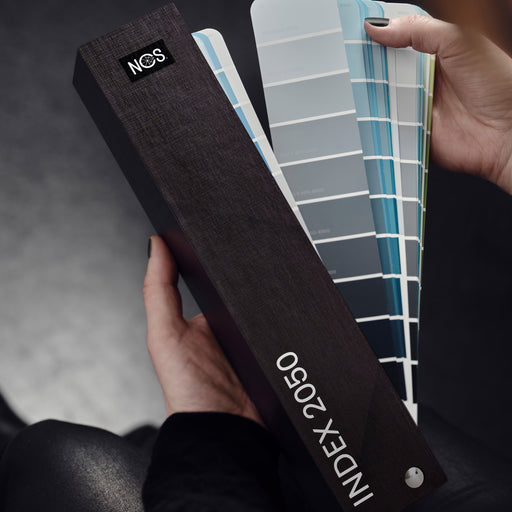
Since its founding in 1945, the Natural Colour System® (NCS) has shaped the way color is seen, described, and communicated. Born from the desire to create a universal color language, NCS has evolved into a scientifically grounded system now used in nearly 100 markets worldwide in design, manufacturing, architecture, and the coatings industry.
The origins of a universal language
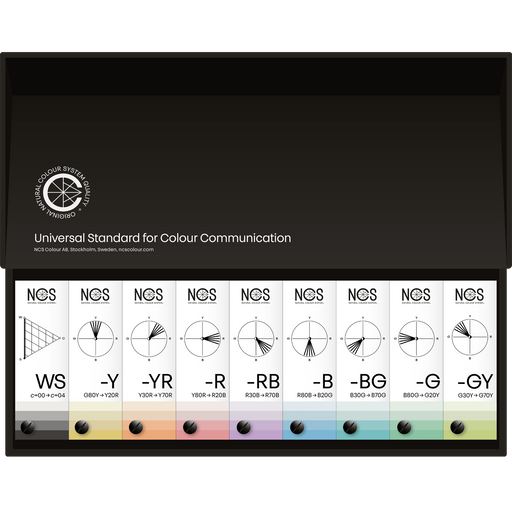
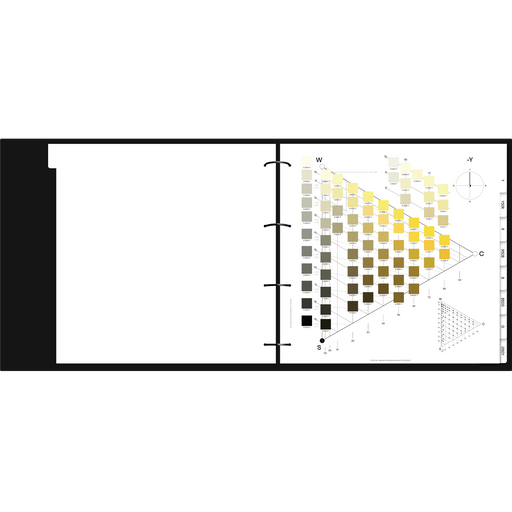
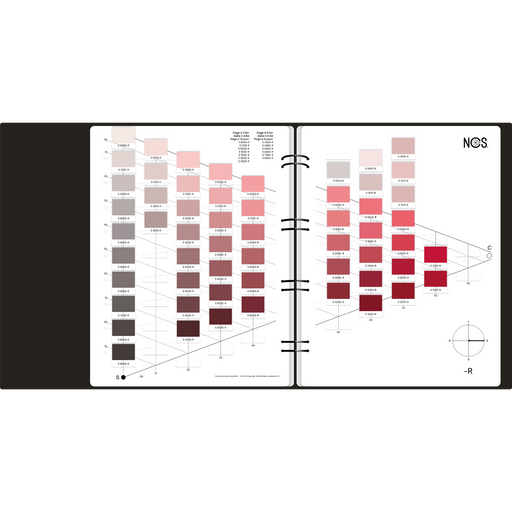
Before NCS, the description of color was often subjective – a shade of red could have different meanings for different people. NCS introduced a scientific and systematic approach to color naming based on human color perception. Each color is defined by six basic perceptions: white, black, yellow, red, blue, and green.
This approach enables precision and consistency, allowing professionals to communicate exactly which color is meant – whether on a screen, on a wall, or on a product.

A system that stands the test of time
For over eight decades, NCS has become an integral part of international color standards. Designers, architects, and manufacturers rely on its precise notation to:
- To ensure consistent color reproduction across materials and surfaces
- To translate ideas clearly and without ambiguity from concept to implementation
- To follow trends and accurately classify color developments
From copper tones to deep blue hues, every NCS code guarantees the same color – regardless of where it is applied.
A colorful heritage
Eight decades of NCS represent more than just a system; they represent a common language that has brought clarity and creativity to numerous industries. Its influence ranges from furniture, coatings, and textiles to architecture and product design, demonstrating that color is not merely aesthetic but also an essential tool for communication, design, and decision-making.
Looking back on 80 years, NCS remains as relevant as ever – a testament to the power of precision, science and a universal understanding of color.