Skip to content
Click here to sign up to our newsletter for news on latest offers, events and expert advice.

How to Choose a Monitor

Why EIZO?

EIZO is the Japanese word for "image". EIZO has been developing and producing innovative, high-quality monitors for over 50 years. Our experts have over 30 years of experience in colour accuracy and maintain a close relationship with EIZO, who offer a five-year warranty and exceptional after-sales service. At Color Confidence, we are here to help you. If you need advice, we are just a phone call away.

Which EIZO series do I need?

EIZO ColorEdge

The ideal long-term investment for businesses, with a longer lifespan than conventional monitors to save resources and reduce environmental impact. All components are manufactured by EIZO itself and are made from recycled material or designed for recycling at the end of their lifespan. With a 5-year warranty, these monitors will stand the test of time.

EIZO FlexScan

The industry standard for digital image viewing, designed for and by designers, photographers, videographers, color specialists and post-production studios with excellent image quality and color reproduction.

How do I choose the size of a monitor?

Bigger is better, right? For the most part, yes, but it really depends on your specific workflow. Let us explain: Our monitors range from 19 inches all the way to 38 inches, measured diagonally across the screen. If you have limited space in your work environment, there is a limit to the size of monitor you will want in that space. You should also consider the type of work you are producing. It is easier to work on a design if you can see it in a realistic reference frame. If you are working on large-format illustrations, architectural drawings, or in cinema, a larger screen is definitely an advantage. This is also useful if you are working with large format printers, so what you see on the screen is going to be what you see when you print.

After you select a screen size, you will also want to select a resolution — this decision is important if you are working in specific design applications because it allows you to work in specific formats.

19-inch monitors
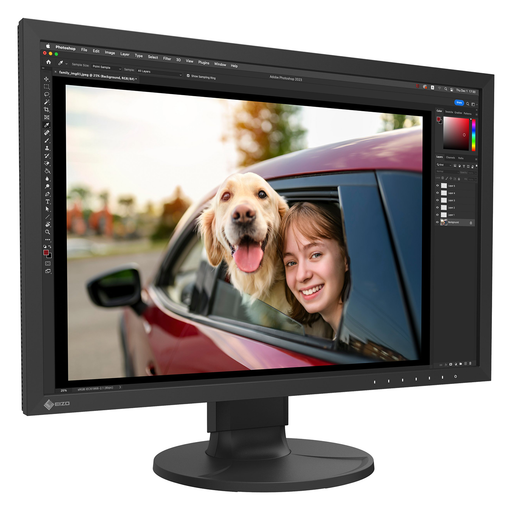
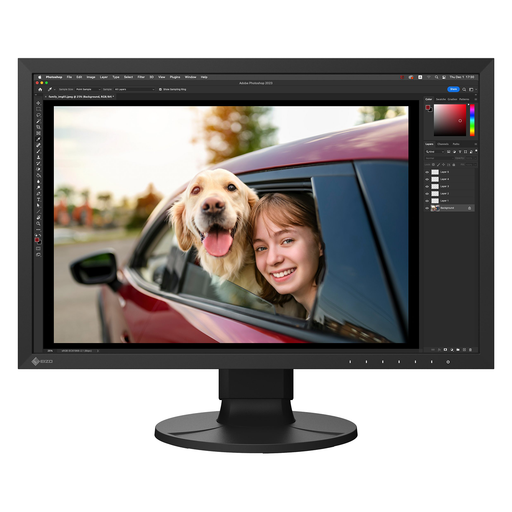
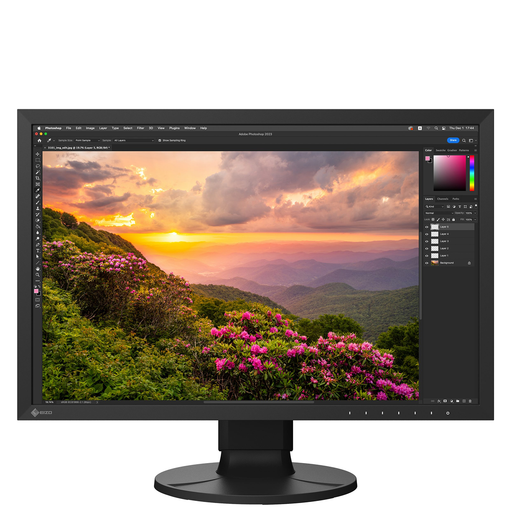
23-inch monitors
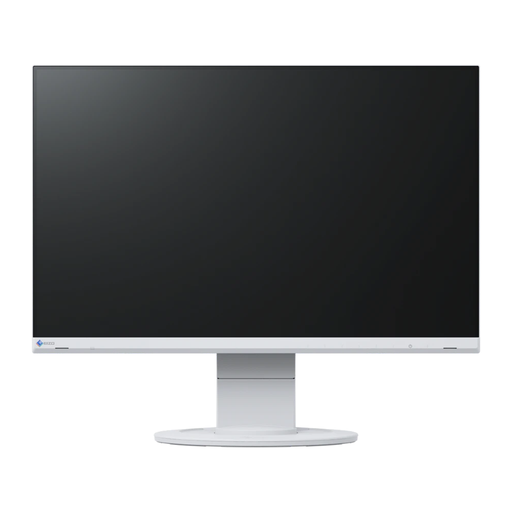
24-inch monitors
27-inch monitors
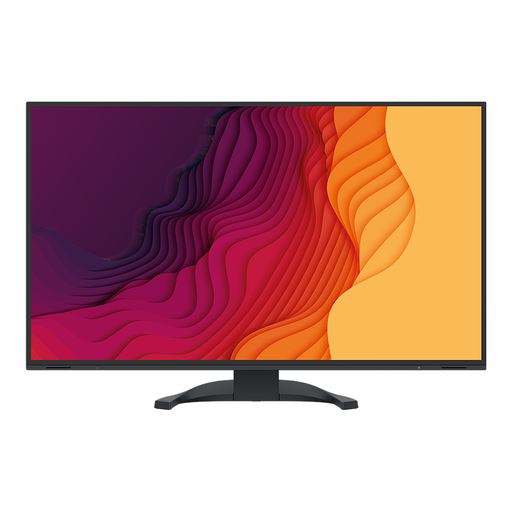
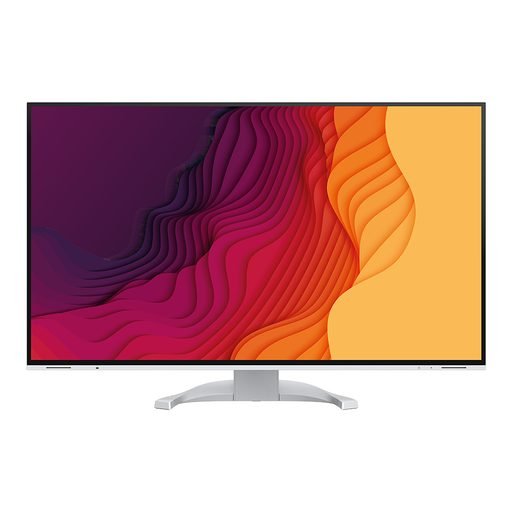
32-inch monitors
38-inch monitors

Monitor Resolution

Monitor resolution indicates how many pixels your screen consists of, both horizontally and vertically. Images on the screen are made up of these tiny pixels, so the more pixels an image has, the clearer and more detailed the image will be. In the world of design, this is crucial! Advances in display technology mean that screen size and resolution are always increasing with new display models.
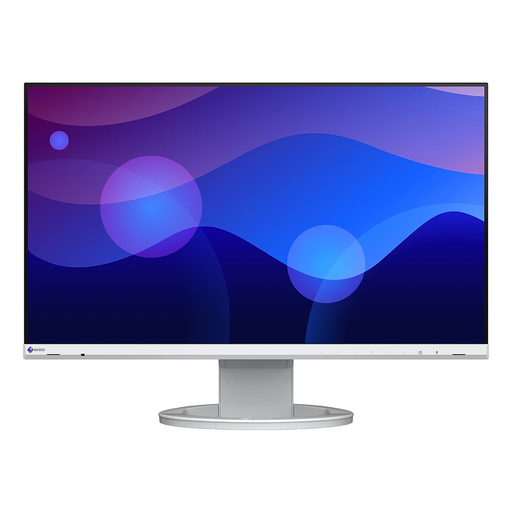
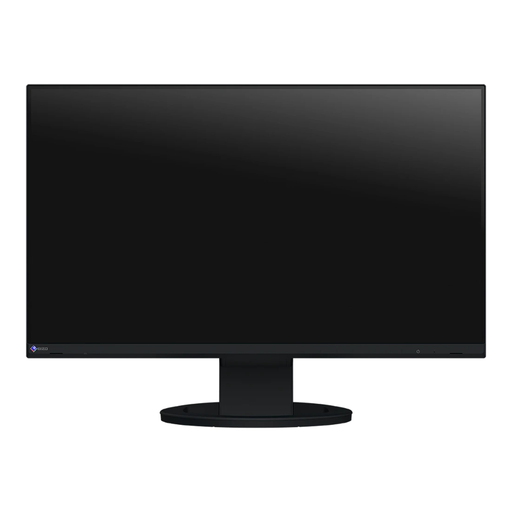
SD = Standard Definition - 720 x 480 pixels, the original standard for digital TVs and displays, now surpassed by advances in display technology.


HD = High Definition - 1,280 x 720 pixel resolution.


FHD = Full High Definition (Full HD) - 1,920 x 1,080 resolution.


QHD = Quad HD 2560 x 1440 pixel resolution, also known as 2K.


UHD = Ultra High Definition 3,840 x 2,160 pixel resolution, also known as 4K, required for broadcast video production.


4K DCI = 4K (Digital Cinema Initiatives) 4096 × 2160 resolution, required for cinematic video production.

What's your workflow?

HD, Full HD, QHD, and Ultra HD are suitable for photographers and designers of all disciplines, but the higher the resolution, the more detailed the image you can see on the screen – so choose wisely! However, if you work with video, you really need to upgrade to a UHD or 4K DCI monitor, depending on whether you are involved in video or cinema production. These monitors can reproduce images and films at the same resolution as standard televisions and work with video editing and production programs that require this resolution.

Further learning content

Visit our Learning Center to benefit from decades of experience in color management.

Grafipress Blog

Check out more topics and stay up to date with the latest news.

Compare products

{"one"=>"Select 2 or 3 items to compare", "other"=>"{{ count }} of 3 items selected"}

Select first item to compare

Select second item to compare

Select third item to compare

Compare